
Despite FDA approval of 20 novel drugs in 2025, pharmaceutical packaging remains conventional for injectables and solid oral doses dominating the market.
At a Glance
- Half of new FDA-approved drugs are injectables, with all using single-dose formats despite growing environmental concerns.
- Companies favor traditional bottle packaging over blisters for solid oral dose products, prioritizing production efficiency.
- Package descriptions in prescribing information vary, from simply “Bottles” to detailed specifications with safety features.
On its website, the Food and Drug Administration (FDA) lists “Novel Drug Approvals” for the year, keeping track of the new products and their uses. With a little digging, we analyzed the packaging selected and found “novel” doesn’t really fit.
Of the 20 new pharmaceutical products gaining approval from the FDA so far in 2025, half are injectables. Only one is a topical cream. The other nine choose the traditional solid oral dose format, meaning tablets and capsules.
Solid oral dose – 9 of 20
Injectable solution – 7 of 20
Injectable lyophilized powder – 3 of 20
Cream – 1 of 20
The package formats chosen are nothing unusual or exciting. Bottles and blisters for pills; vials, syringes, and autoinjectors for injectables; and a tube for the cream. A yawn here might be unfair because I haven’t seen photos of any of the packs, but I’m underwhelmed so far.
Companies have selected bottles more than blisters for the new solid oral dose products. I have two thoughts on that:
1. Really? Despite all the cited benefits of unit-dose packaging for patient compliance and safety?
2. Yes. If your facility is set up to run bottles (probably round white high-density polyethylene), your new products are likely to be packed the same. Bottles are a proven package that protects profits.
Related:SnapSlide’s Single-Handed Pill Bottles End Decades of ‘Suffering in Silence’
Mediocre effort on the packaging
The package formats are typical for the type of drug. But can we infer how important packaging is to the company based on the description written for its prescribing information form? It ranges from a mere “Bottles” to the more detailed “High-density polyethylene (HDPE) bottle containing a desiccant, with induction seal and child-resistant cap.”
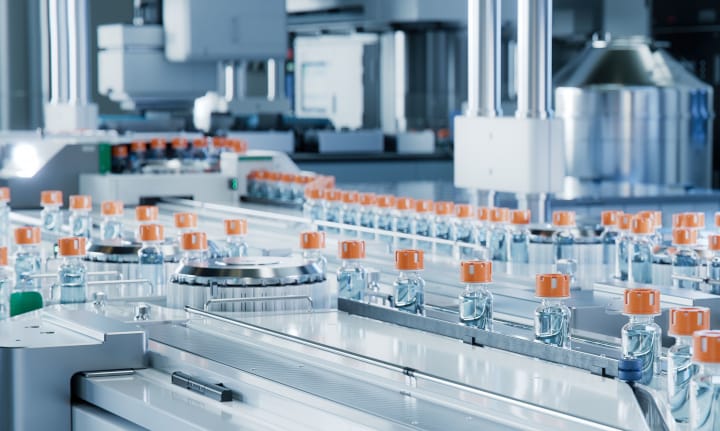
One last observation: Of the 10 injectable drugs, 100% come in a single-dose package, whether it be a vial, syringe, or autoinjector. Definitely more convenient for administration, which could also add to its safety. But, surprisingly, environmental concerns are not addressed despite all the talk. Perhaps it’s because these drug-contaminated packages are not considered eligible for recycling or reuse?
While pharmaceutical innovation continues with new drug approvals, packaging design remains stubbornly conventional — suggesting an industry that prioritizes manufacturing efficiency and proven solutions over sustainability and patient-centered design innovation.